Hand-Whisked vs Blended Matcha: Why Technique Matters
You know that feeling when you order a matcha latte, anticipating a smooth, vibrant treat, but the first sip tastes bitter and muddy. It’s a common frustration in the Klang Valley cafe scene. Sometimes the drink is electric green and velvety, while other times it’s dull and powdery.
The difference often isn’t just the powder quality, but the tool used to mix it.
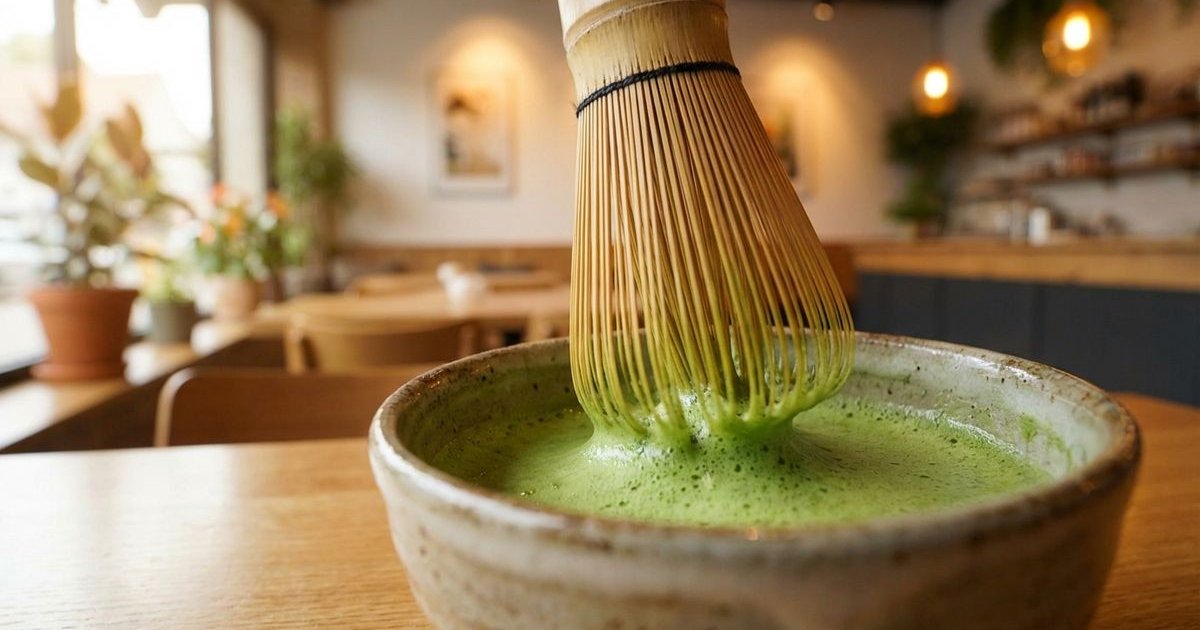
At Bubbs & Bites, we hand-whisk every single cup using a traditional bamboo chasen. Our team treats this step not as a performance, but as a necessity for flavor. This ancient tool is the only way to properly suspend the tea particles in water.
What Is Matcha, Really?
Before we analyze the technique, let’s look at what is actually in your cup.
The Basics
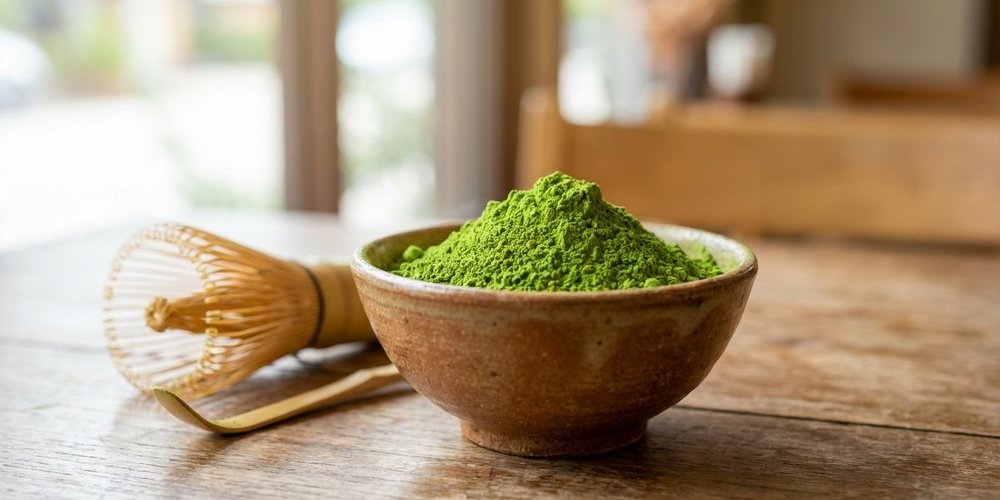
Matcha is a finely ground powder made from “Tencha,” which are shade-grown green tea leaves. Unlike standard green tea where you steep the leaves and throw them away, with matcha you are drinking the entire leaf.
Key distinctions:
- Shade-Grown: Farmers cover the tea bushes for 20-30 days before harvest to spike chlorophyll levels.
- Nutrient Density: This lack of sunlight forces the plant to overproduce amino acids, specifically L-theanine.
- Stone-Ground: Traditional granite mills grind the leaves into a powder as fine as talc (about 5-10 microns).
- Full Absorption: You ingest 100% of the antioxidants rather than just the water-soluble ones.
Grades of Matcha
It is critical to know what you are paying for, especially with the price range seen in Petaling Jaya cafes. Here is how the two primary grades compare in the Malaysian market:
| Feature | Ceremonial Grade | Culinary Grade |
|---|---|---|
| Best Use | Drinking straight (Usucha) or premium lattes | Baking, pastries, ice cream |
| Harvest Timing | First harvest (early spring, late April/May) | Summer or Autumn harvests |
| Color | Electric, vibrant Jade green | Dull, brownish, or olive green |
| Flavor Profile | Sweet, savory umami, no bitterness | Astringent, grassy, bitter |
| Avg. Price (MY) | RM80 - RM120 per 30g | RM20 - RM40 per 30g |
Many establishments use culinary grade powder to keep latte prices low. We refuse to do this because that harsh bitterness requires excessive sugar or syrup to mask. A true matcha latte should taste creamy and sweet on its own.
The Two Preparation Methods
Method 1: Hand-Whisked (Traditional)
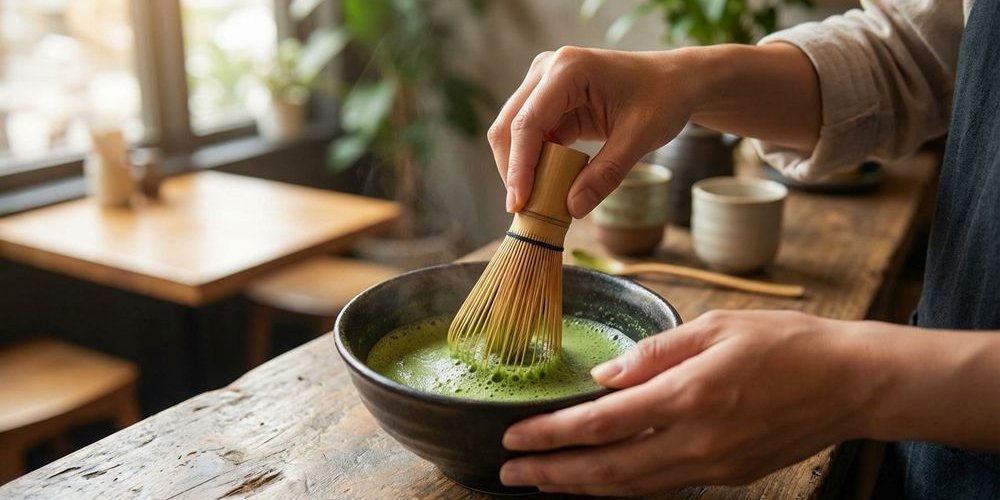
The Tool: Bamboo Chasen (Whisk) with 80-100 flexible tines.
The Technique:
- Sift the powder to break up electrostatic clumps.
- Pour in water heated to exactly 80°C.
- Whisk in a rapid “W” or “M” motion using just the wrist.
- Create a thick, stable foam layer.
- Pour the steamed milk over the suspension.
Time Investment: 60 seconds per drink.
Method 2: Blended or Frothed
The Tool: Electric Handheld Frother, Blender, or Shaker.
The Technique:
- Dump powder into a cup or pitcher.
- Add hot water or milk directly.
- Spin with a metal coil or blender blade.
- Serve immediately.
Time Investment: 10-15 seconds.
Why Hand-Whisking Makes Better Matcha
There is verifiable science behind why the bamboo whisk produces a superior flavor profile compared to metal blades.
1. The Physics of Suspension
Hand-whisking creates a specific type of turbulence that forces water and powder to bond physically.
Why it matters: Electric frothers often miss the microscopic clumps that cling to the side of the cup or float invisibly in the liquid. A bamboo whisk’s many tines physically crush these soft clumps against the bottom of the bowl. This action ensures you never get that gritty, dusty sensation in the back of your throat.
2. Microfoam vs. Macrofoam
The rapid “W” motion introduces tiny, uniform air bubbles that are structurally stable.
The sensory impact:
- Bamboo Whisk: Generates “microfoam,” which is a dense, creamy layer that holds the tea’s aroma and softens the texture.
- Electric Frother: Generates “macrofoam,” which resembles large dish soap bubbles that pop and disappear within minutes.
We find that microfoam changes the “mouthfeel” of the drink entirely. It tricks your palate into perceiving the drink as creamier than it actually is, even if you use oat or soy milk.
3. Chemical Preservation
Traditional whisking requires you to use water at a specific temperature range, typically 70°C to 80°C.
The chemistry: Pouring boiling water (100°C) onto matcha burns the leaves instantly. This extreme heat degrades the L-theanine (sweetness) and extracts excessive tannins (bitterness). By sticking to 80°C and using a whisk, we extract the savory umami notes without scalding the delicate tea.
4. Gentle Agitation
The bamboo tines are designed to be flexible and yielding.
The result: Metal blades shred the liquid violently, which can actually separate the water from the solids over time. Bamboo suspends the particles gently. This creates a mixture that stays consistent from your first sip to the final drop.
How to Spot a Quality Matcha Latte
You can evaluate the quality of your drink at any cafe in Malaysia using these visual and taste indicators.
Visual Signs of Quality
Green Flags:
- Color: Deep, vibrant jade green (think emeralds).
- Foam: Tight, microscopic bubbles that look like velvet.
- Stability: The foam layer remains intact for at least 5 minutes.
Red Flags:
- Color: Army green, brownish-yellow, or dull olive.
- Foam: Large, soapy bubbles that pop quickly, revealing dark liquid underneath.
- Residue: Visible dark specks or clumps floating on the surface.
Taste Signs of Quality
Green Flags:
- A naturally sweet, vegetable finish.
- Savory “umami” notes (similar to seaweed or broth, but pleasant).
- Rich, coating mouthfeel that lingers.
Red Flags:
- Immediate, sharp bitterness that makes you pucker.
- Gritty or chalky texture on your tongue.
- Thin, watery body that tastes like colored water.
Our Matcha at Bubbs & Bites
We have built our reputation in Dataran Sunway on serving matcha that respects the ingredient. Explore our full non-coffee drinks menu for all matcha and tea options.
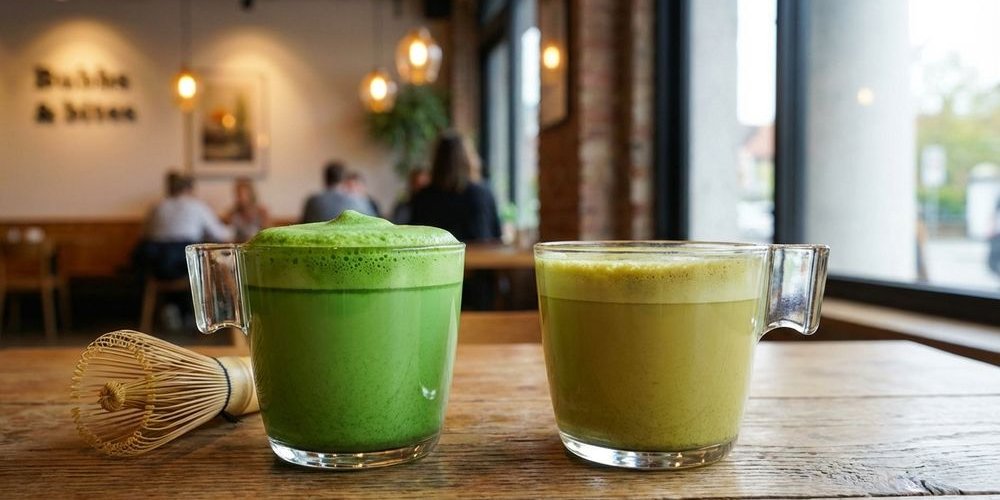
The Matcha: Premium Ceremonial grade sourced directly from Uji, Japan. The Technique: 100% Hand-whisked with a bamboo chasen for every order. The Milk: Your choice of dairy, or alternative options like Oatly and soy. The Result: A latte that is smooth, frothy, and naturally sweet without added syrups.
We also offer a Strawberry Oatmilk Matcha. This crowd favorite layers the earthy, nutty notes of our ceremonial matcha over a house-made strawberry compote. It tastes as balanced as it looks.
Making Better Matcha at Home
If you want to replicate this quality in your own kitchen, you need the right setup.
Essential Equipment
- Ceremonial Grade Matcha: Search for reputable brands on Shopee like Niko Neko (specifically the ‘Ren’ or ‘Yuri’ grades) or Matchaya.
- Bamboo Whisk (Chasen): A 100-prong whisk is ideal for beginners and costs around RM30-50.
- Wide Bowl (Chawan): You need a bowl with a wide, flat bottom to allow for vigorous whisking.
- Sifter: A small mesh strainer is non-negotiable for breaking up clumps.
- Temperature Control: A kettle with a temperature setting or a simple food thermometer.
The Process
- Sift: Push 2 grams (about 1 teaspoon) of matcha through a fine mesh strainer.
- Temp: Pour in 60ml of hot water at 80°C.
- Whisk: Use your wrist to whisk in a fast “W” pattern for 30-45 seconds until a thick foam forms.
- Milk: Pour your frothed milk of choice over the matcha base.
- Enjoy: Drink immediately while the microfoam is at its peak.
Insider Tips for Malaysia
The Humidity Problem: Malaysia’s average humidity of 80% is the enemy of fresh matcha powder. Once you break the seal, the powder begins to oxidize and clump rapidly in our climate.
The Solution:
- Always store your matcha tin in the fridge to preserve the color and flavor.
- Crucial Step: When you take the tin out, let it sit on the counter for 15 minutes before opening it.
- Opening a cold tin in warm, humid air causes condensation to form inside the powder. This moisture will ruin your expensive tea instantly.
The Caffeine Question
Many of our remote working customers ask how the energy boost compares to their daily coffee.
The Data:
- Matcha Latte (2g powder): ~60-70mg caffeine.
- Shot of Espresso (1oz): ~63mg caffeine.
The Experience: While the caffeine content is nearly identical, the effect on your body is distinct. Matcha contains L-theanine, a rare amino acid that promotes alpha brain wave activity.
This combination creates a state often called “calm alertness.” You get the focus and energy of caffeine, but the L-theanine smooths out the jittery spike and prevents the afternoon crash. It is the perfect fuel for a long work session at our cafe.
Matcha Myths Debunked
Myth: All matcha tastes the same. Truth: Origin, harvest time, and preparation change the flavor profile dramatically.
Myth: Darker green means better taste. Truth: You want bright, electric green. Dark, dull green usually means the powder is old, oxidized, or culinary grade.
Myth: You must add sugar to make it drinkable. Truth: High-quality ceremonial matcha has a natural sweetness and should be delicious without any sweetener.
Myth: Matcha is just a passing trend. Truth: It has been the centerpiece of the Japanese tea ceremony for over 800 years.
Experience the Difference
The only way to truly understand the impact of the bamboo whisk is to taste it for yourself.
We invite you to visit Bubbs & Bites to see the difference firsthand. Our space is designed to be a quiet retreat for remote workers, and we are proudly pet-friendly (cats in carriers and dogs on leashes are welcome).
Our Matcha Menu:
- Hand-Whisked Matcha Latte (RM 14)
- Strawberry Oatmilk Matcha (RM 16)
Location: Dataran Sunway, Kota Damansara. Open 8 AM - 7 PM daily (closed Wednesdays).
One sip of a properly whisked latte, and you’ll understand why we refuse to use a blender.